Chapter 1
IN THIS LESSON
What should I be eating? How much protein, carbohydrate and fat should I include in my diet?
Should I be eating for two? We’ll explain what the science really says about this question.
Should my nutrition change as my pregnancy progresses? We’ll cover your caloric needs, trimester by trimester.
Welcome to Your Pregnancy Nutrition Journey
Alright, let’s kick things off with the basics - because, let’s face it, pregnancy nutrition can feel like uncharted territory. Whether you’re already a bit of a nutrition nerd or you’re just trying to figure out what’s best to eat right now, we’re here to guide you through the essentials. This first chapter is all about laying the foundation, so you’ll feel empowered to make informed choices for you and your baby.
Why Nutrition Changes During Pregnancy
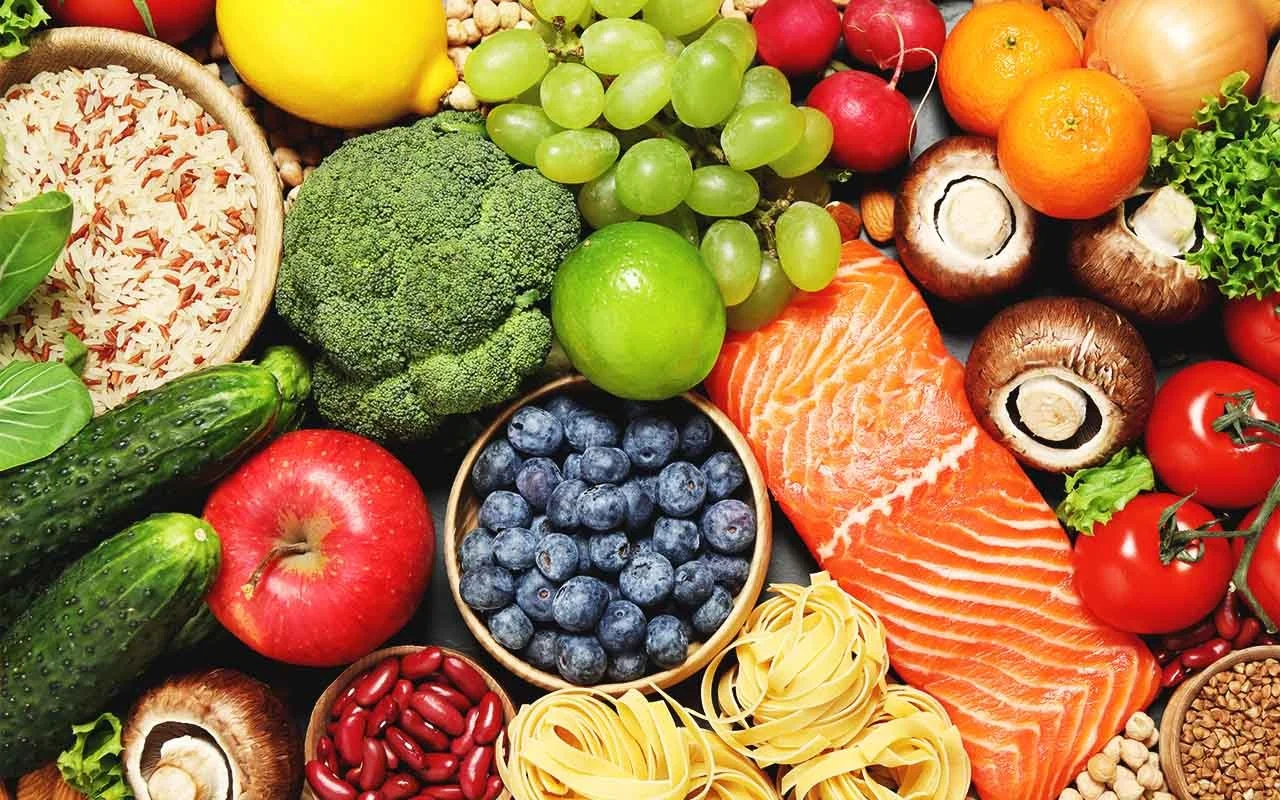
So, what’s the big deal about nutrition during pregnancy, anyway? Here’s the scoop: your body's working overtime to support the growth and development of your little one. Therefore, your nutritional needs are different now than they were before. Your body needs more of certain nutrients to help your baby grow, keep you healthy, and prepare you for childbirth.
But it’s not just about eating more - it's about eating smarter. We’re talking about fuelling your body with the right balance of nutrients, so you’re not just surviving pregnancy - you’re thriving.

Macronutrients: The Building Blocks of a Healthy Pregnancy
Let’s start with the big three: proteins, fats, and carbohydrates. These macronutrients are the categories that different foods fall into and are the building blocks of your diet - they each play a crucial role during pregnancy.
Protein: The Construction Crew
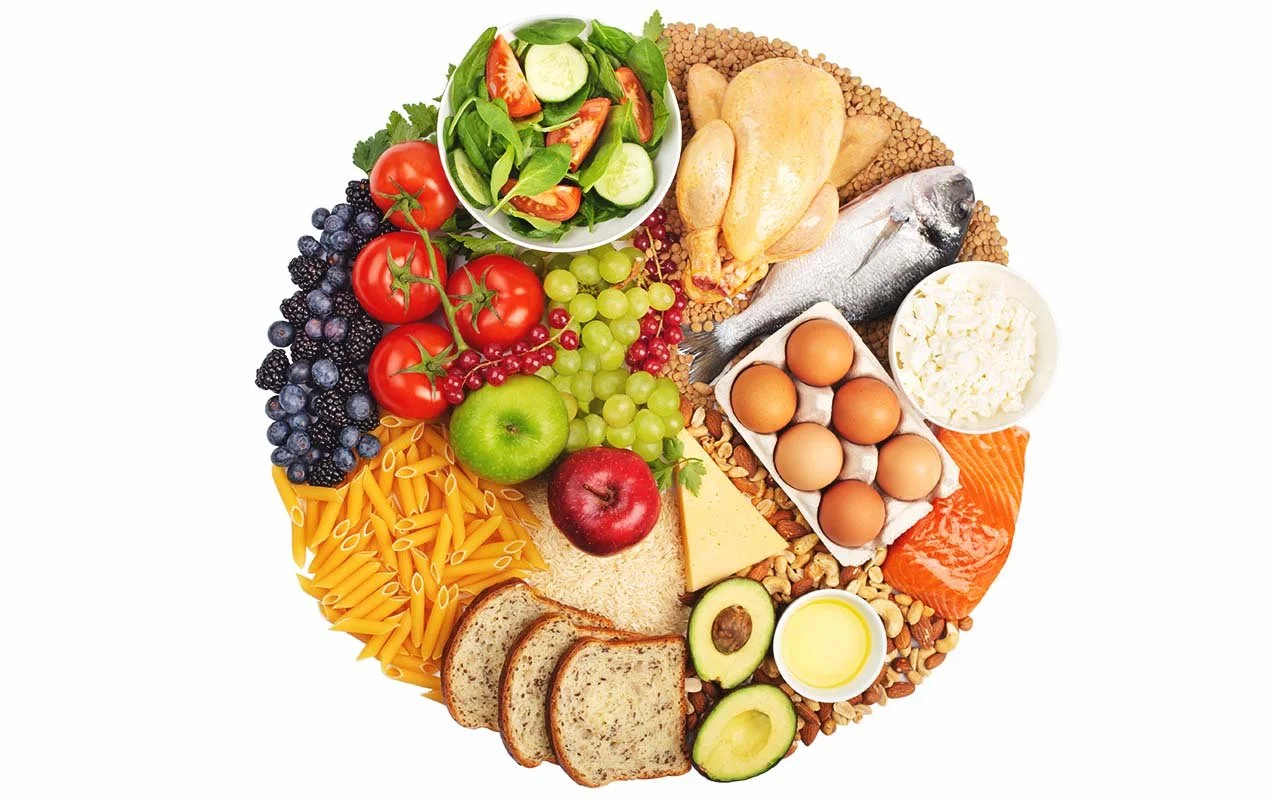
Protein is like the construction crew for your baby’s growing body. It’s essential for the development of your baby’s tissues and organs, as well as for maintaining your own health. During pregnancy, your protein needs go up, especially in the second and third trimesters when your baby is growing the fastest.
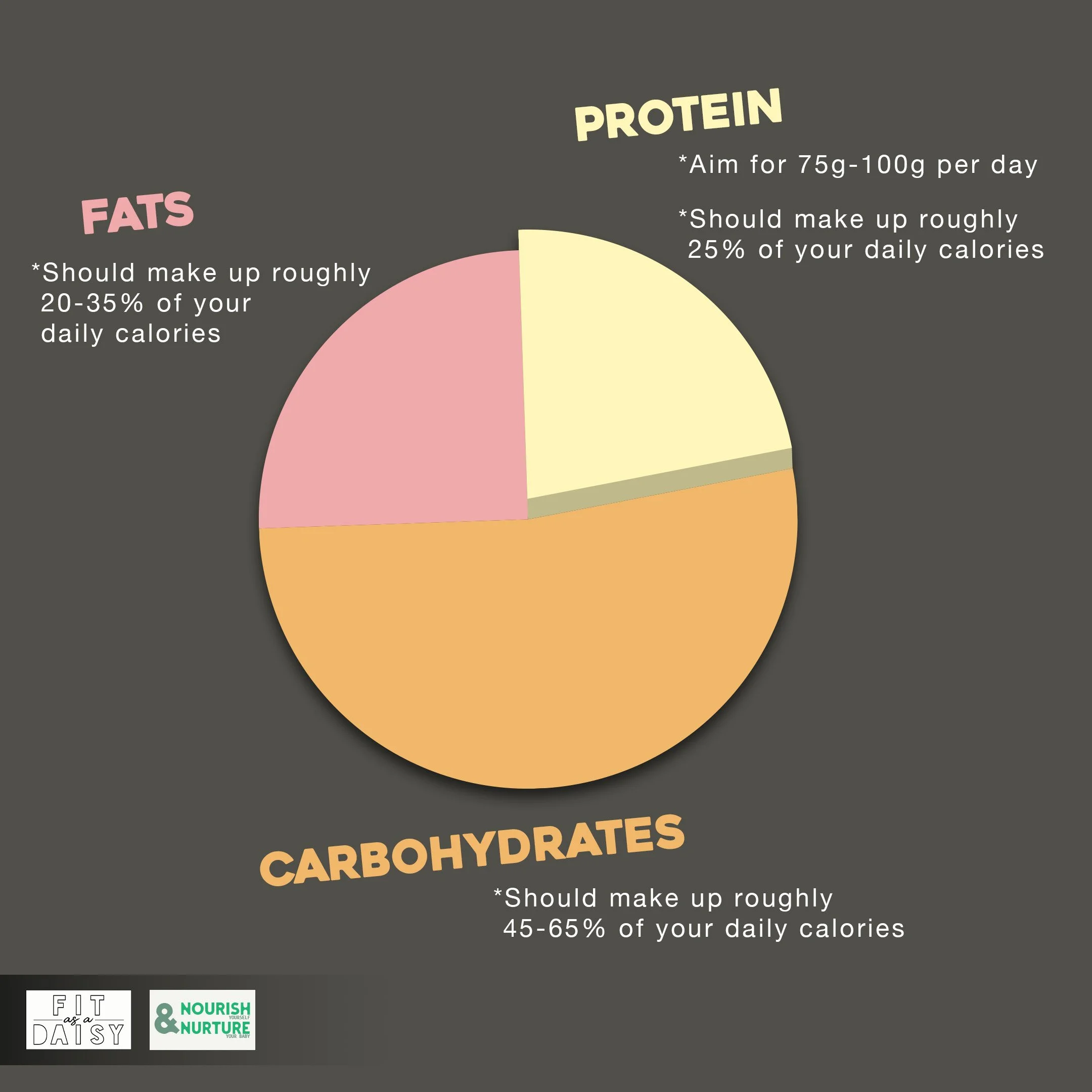
How much you need: Aim for about 75-100 grams of protein per day. That might sound like a lot, but it’s totally doable with animal sources like lean meat, fish, eggs, and dairy - along with a mix of plant-based sources like beans, lentils, tofu, and quinoa.
Tip: If morning sickness is making it hard to eat, try smaller, protein-rich snacks like nuts or nut butters and protein shakes are also a tasty, cost effective way to sneak that extra protein in.
Fats: FuelLing Your Baby’s Brain
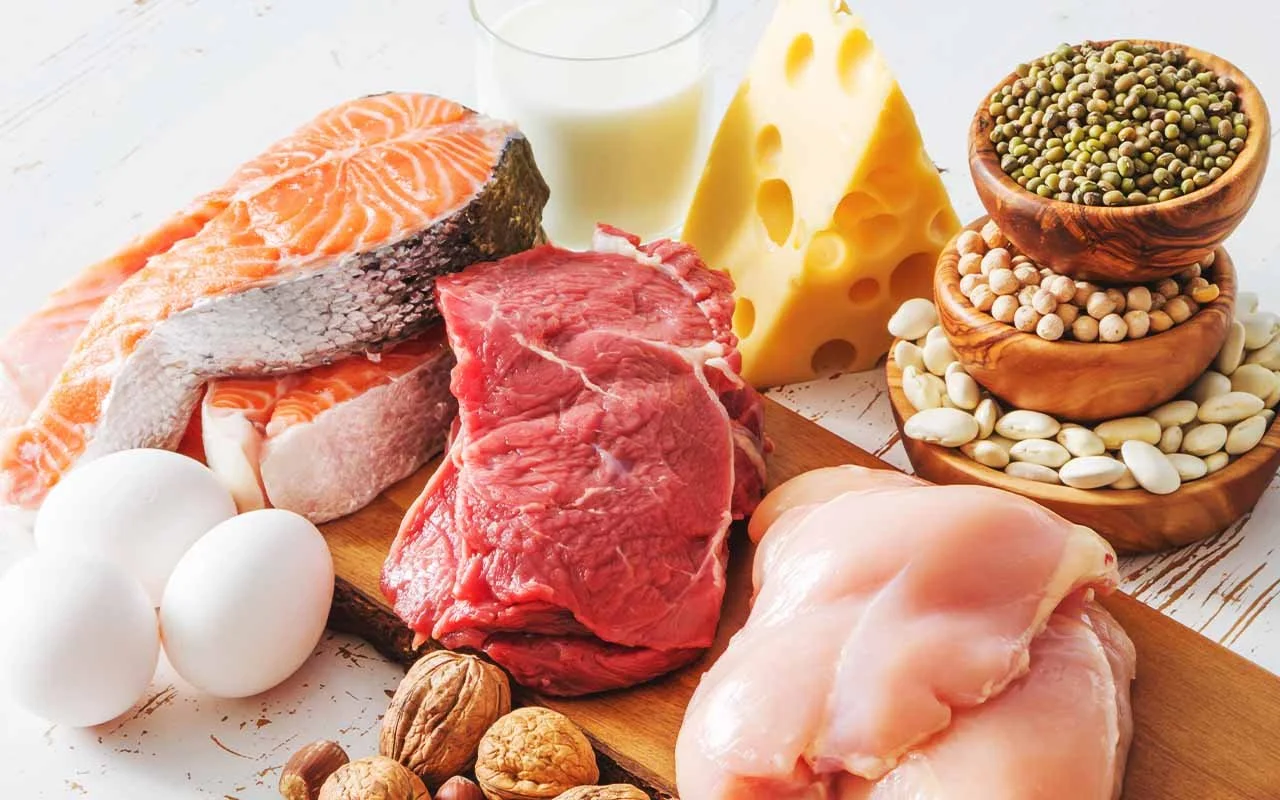
The right kinds of fats are incredibly important during pregnancy. Omega-3 fatty acids, in particular, are crucial for your baby’s brain and eye development.
How much you need: Healthy fats should make up about 20-35% of your daily calories. Focus on sources like avocados, nuts, seeds, and olive oil. Fatty fish like salmon is also a great choice too.
Tip: Incorporate healthy fats into your meals by adding a handful of nuts to your salad, or a spoonful of chia seeds to your overnight oats.
Carbohydrates: Your Body’s PREFERRED Energy Source
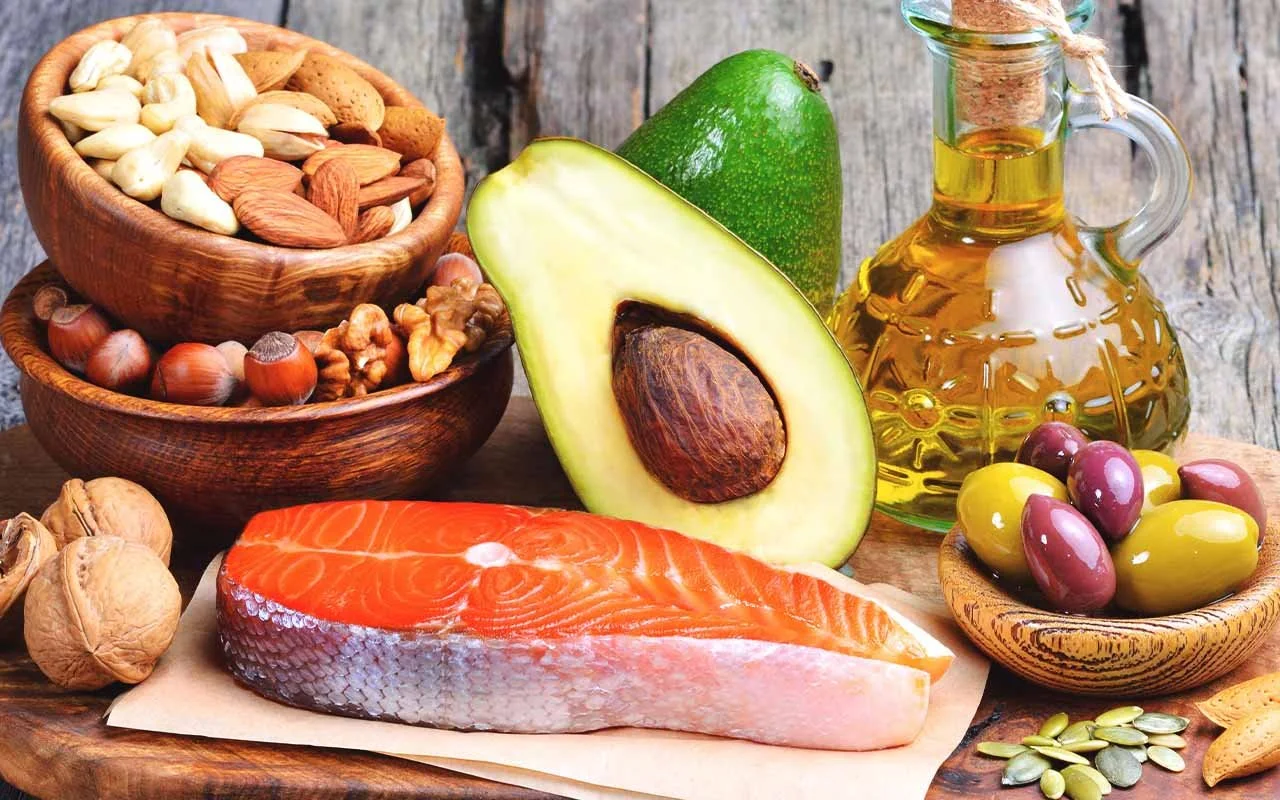
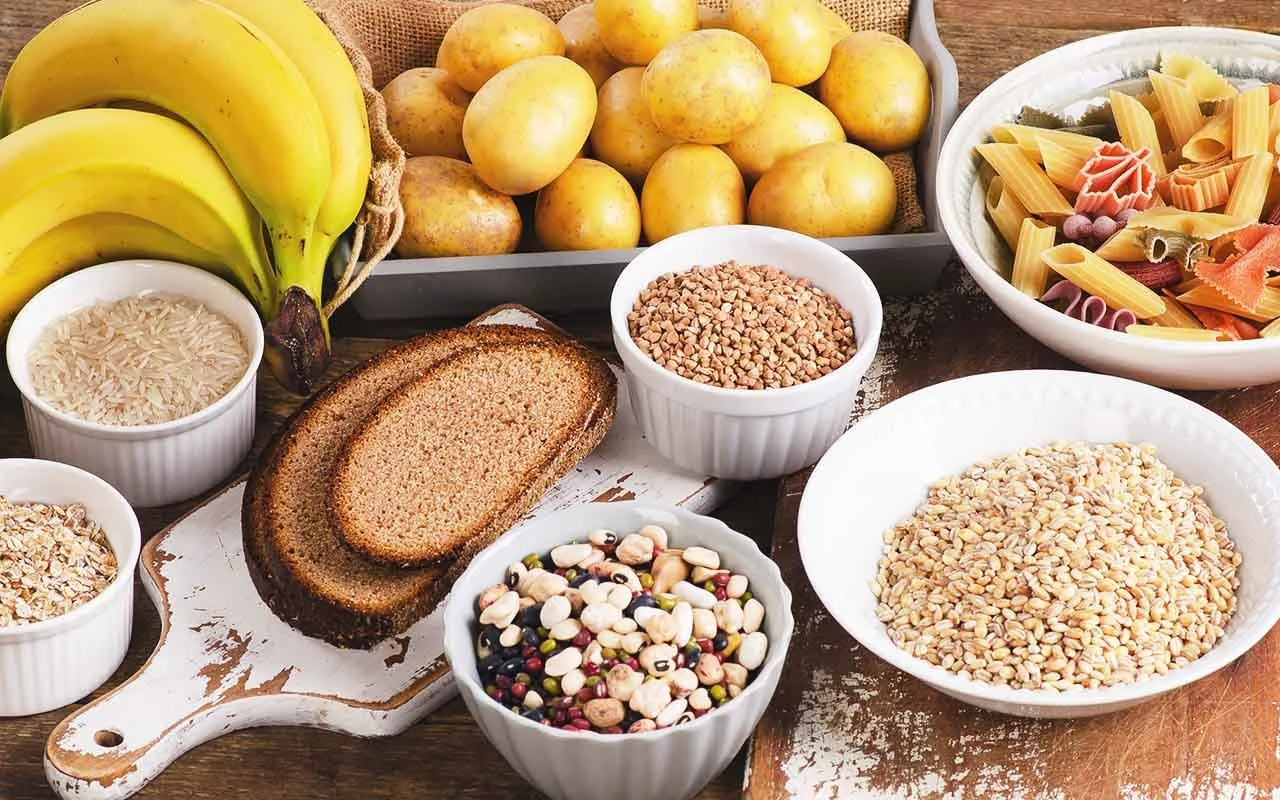
Carbs often get a bad rap, but they’re your body’s main source of energy, especially during pregnancy. The key is to choose complex carbs that give you long-lasting energy (such as whole grains, think: rice, porridge - those kinds of things), rather than simple carbs (such as sugary drinks and even fruit) that cause a quick spike and crash in your blood sugar.
How much you need: Carbohydrates should make up about 45-65% of your daily calories. Think whole grains, fruits, veggies, and legumes.
Tip: Swap out white bread and pasta for whole grain versions to keep your energy levels up, and snack on fruits like apples or berries instead of sugary treats to get more nutrient in whilst still satisfying those sweet cravings.
Micronutrients: The Mighty Vitamins and Minerals
Another thing we need to touch on is the world of micronutrients - these are the essential vitamins and minerals that might be small in size but are huge in importance. These include things like folic acid, vitamin D, calcium and iron, among many others. We’ll dive into deeper detail on this in our next chapter and a little later when we discuss supplementation.
Caloric Needs: Eating for Two? Not Exactly.
One of the most persistent myths about pregnancy is that you’re “eating for two.” The truth is, while your caloric needs do increase, it’s not by as much as you might think—especially in the early stages.
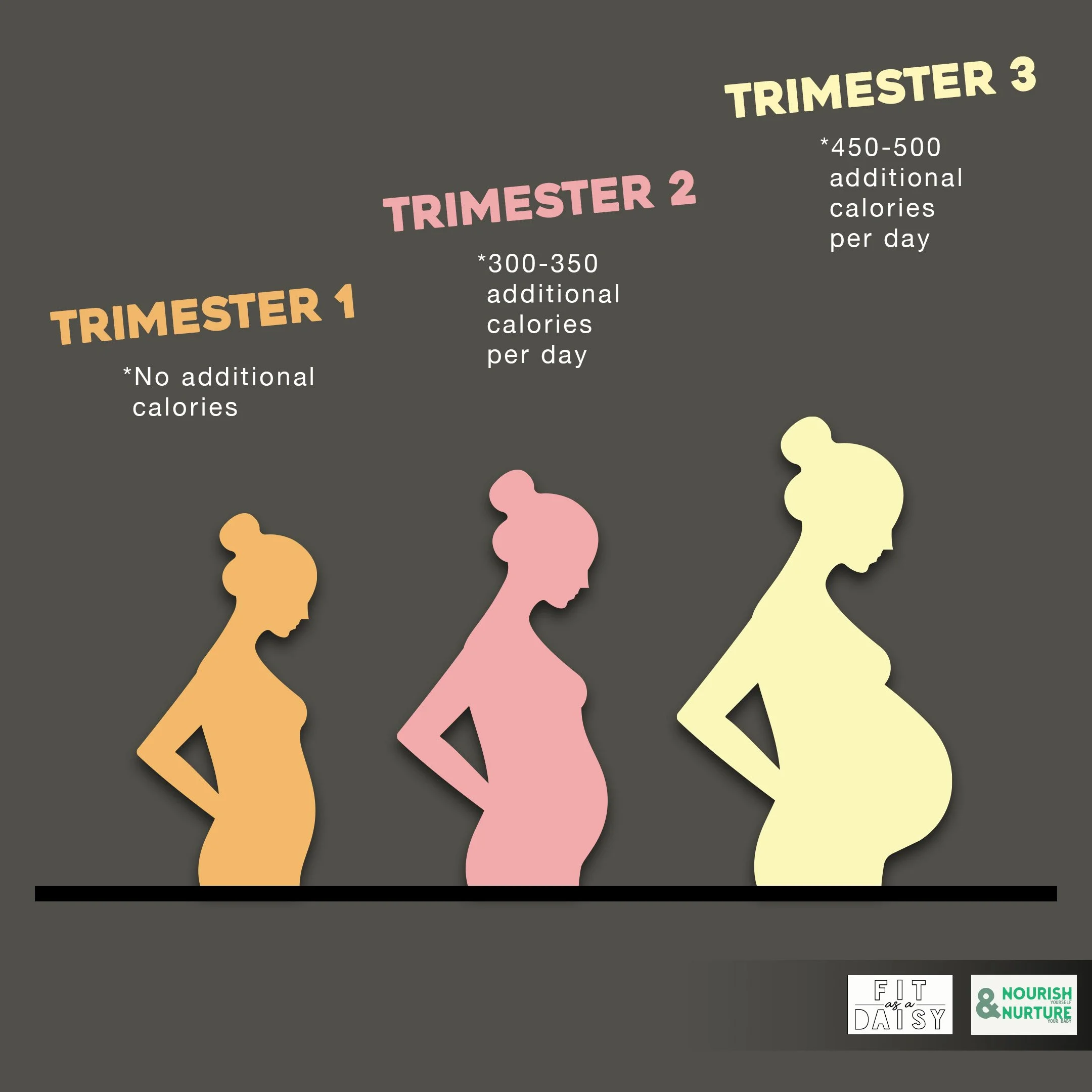
First Trimester: No extra calories needed yet. Just focus on eating a balanced diet to nourish your body and your baby.
Second Trimester: You’ll need about 300-350 extra calories per day, which is roughly the equivalent of a small sandwich or a couple of extra snacks.
Third Trimester: Add about 450-500 extra calories per day to support your growing baby as you head toward the finish line.
Tip: Make those extra calories count by choosing nutrient-dense foods rather than empty calories like sugary snacks or junk food.
Be Kind to Yourself
With all this being said, please remember that these are guidelines and that pregnancy is really hard. When you’re feeling unwell or struggling with nausea, it’s hard enough just finding foods that you can keep down - I know that during my first trimester I must have cleared a loaf of bread per day, and that certainly isn’t in the guide book! If you’re concerned you might be overeating or under-eating, have a chat with your doctor and remember to be kind to yourself.

Final Thoughts: Building a Healthy Foundation
Understanding your nutritional needs during pregnancy is the first step toward a healthy, happy pregnancy. By focusing on a balanced diet rich in essential macronutrients and micronutrients, and adjusting your caloric intake as your pregnancy progresses, you’ll be giving your baby the best possible start in life—and taking care of yourself too.
Remember, this isn’t about being perfect—it’s about making informed choices that support your well-being and your baby’s development. You’ve got this!